Professional Epoxy Flooring in Boise, ID

Garage floors, basements, and commercial spaces. Boise's trusted epoxy flooring experts.

Get a Free Quote - Call REPLACE_TRACKING_NUMBER

Or fill out our form below - we respond within 2 business hours

Licensed and Insured | 10-Year Warranty | Boise Local - Not a National Franchise | Free Estimates

Boise's Epoxy Flooring Specialists

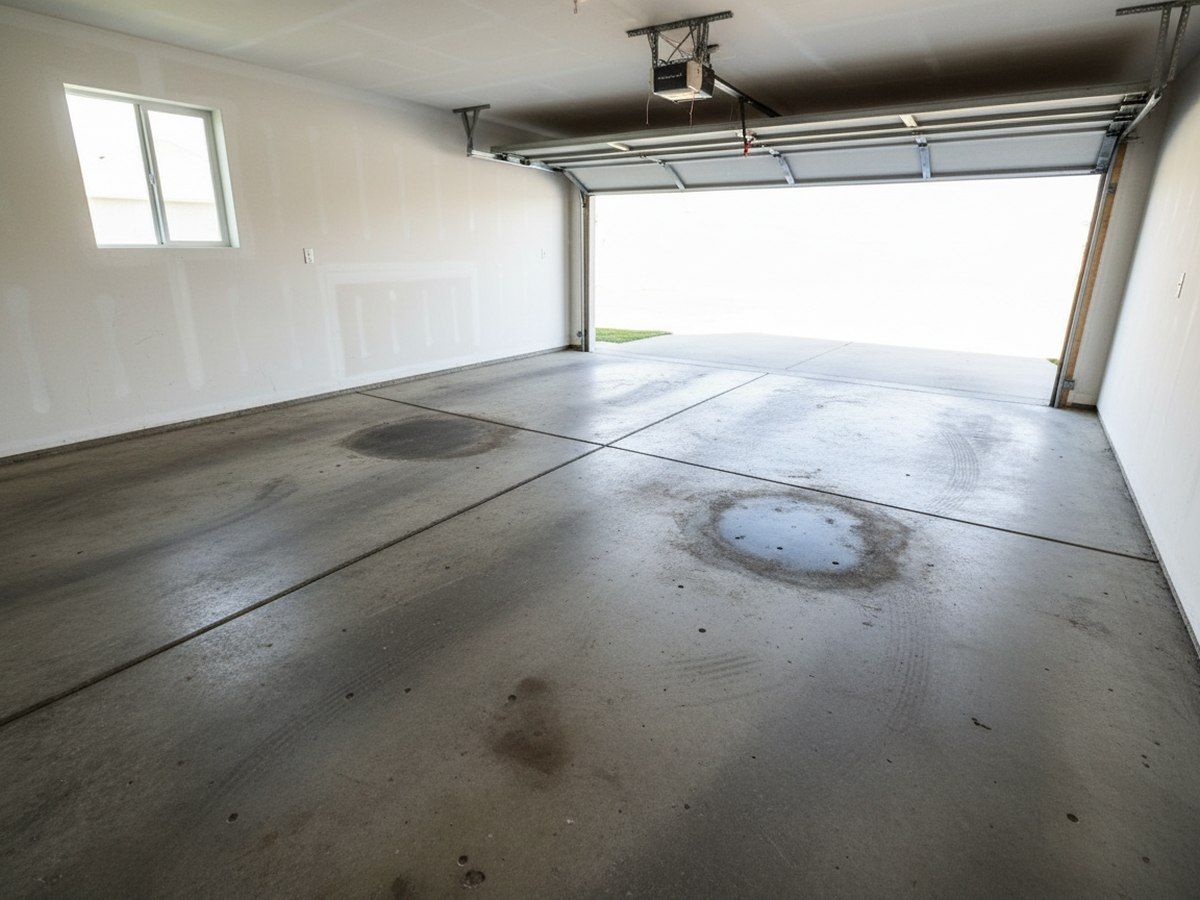
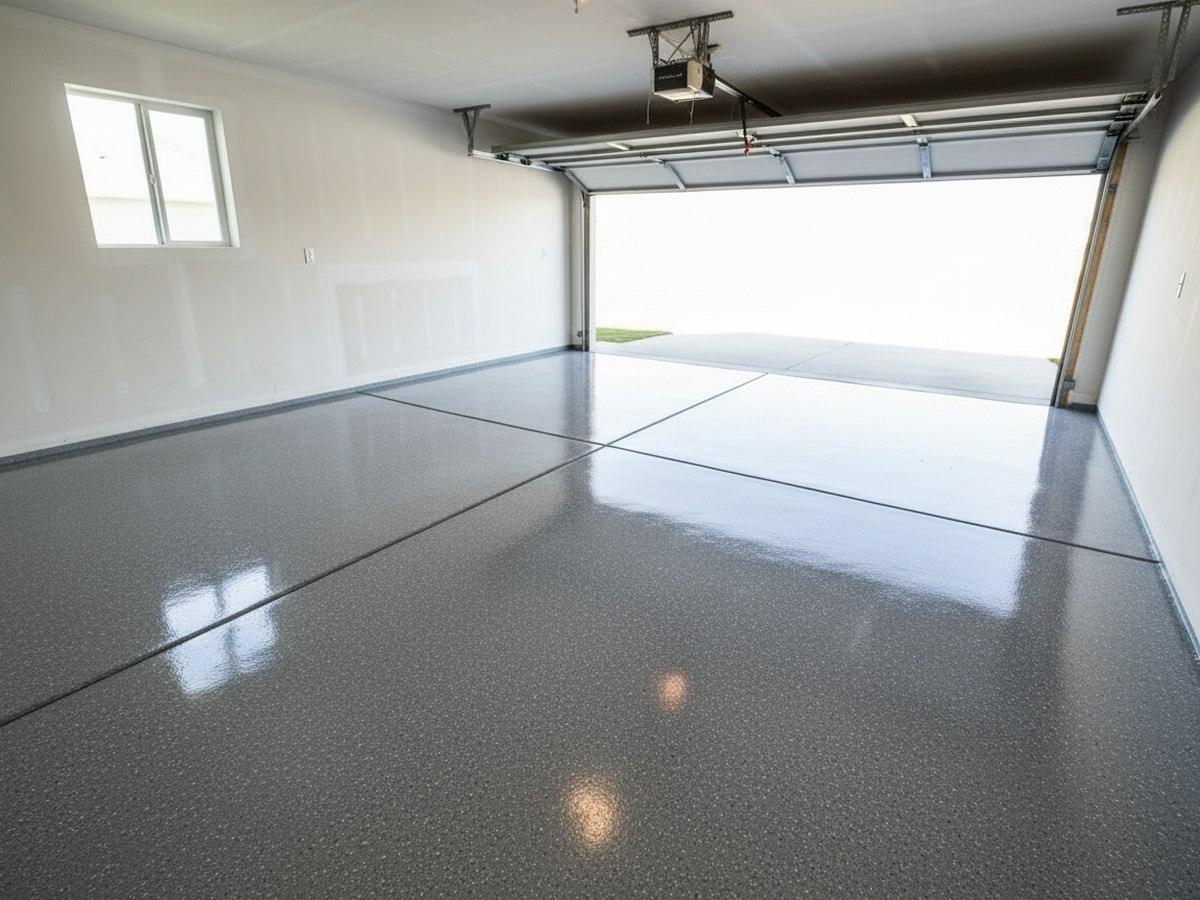
If you have been putting off fixing that cracked, stained, or just plain ugly garage floor, you are in the right place. At Boise Epoxy Pros, we install high-performance epoxy flooring systems that look sharp, hold up to serious wear, and are easy to keep clean year after year. We have transformed over 300 Boise-area garage floors, basements, and commercial spaces - and we bring that same attention to detail to every single job.

We are a local Boise company, not a national franchise that farms out your job to the lowest bidder. Every crew member is trained, every project is backed by our 10-year workmanship warranty, and every estimate is completely free. A standard 2-car garage epoxy project typically starts around $2,500 - making it one of the most cost-effective ways to upgrade your home and protect your investment long term.

Ready to stop looking at a floor you hate? Call us today or fill out the form below for a free estimate. We serve Boise, Meridian, Nampa, Eagle, Caldwell, and the surrounding Treasure Valley.

Our Epoxy Flooring Services

We specialize in three core service lines. Every project uses commercial-grade materials and is backed by our full warranty.

🏠

Garage Floor Epoxy

Transform your dull, stained concrete garage into a showroom-quality floor. Our garage epoxy systems resist oil, tire marks, and Boise's freeze-thaw cycles - and they look incredible doing it.

Learn More
🏭

Commercial Epoxy Flooring

Heavy-duty epoxy coatings for warehouses, auto shops, retail spaces, and medical facilities. We install systems rated for forklift traffic and chemical exposure - built to handle real commercial demands.

Learn More
🏢

Basement Epoxy Flooring

Turn your unfinished basement into a clean, functional living or storage space. Our moisture-resistant basement epoxy systems seal out humidity, resist mold, and give you a floor you actually want to spend time on.

Learn More

Why Boise Homeowners Choose Epoxy Flooring

Boise has seen a ton of growth over the past decade, and with that growth has come a bigger focus on home improvement. One of the most popular upgrades we see Boise homeowners making right now is epoxy garage flooring - and it makes complete sense. You have spent real money on your home; why let your garage floor look like it belongs to a different property?

Epoxy flooring is popular for three core reasons: durability, appearance, and ease of maintenance. A properly installed epoxy system is hard enough to handle car tires, tool drops, and heavy storage shelving without cracking or chipping. It resists stains from oil, antifreeze, and other fluids that are common in any working garage. And unlike bare concrete or painted surfaces, epoxy floors can be wiped clean with a mop - no scrubbing, no special cleaners, no hassle.

The Garage Floor Epoxy Process

A great epoxy floor starts with great surface preparation - and that is where a lot of cheap installs go wrong. Before we apply any coating, we diamond grind or shot blast the concrete to open the surface profile. This step is not optional; it is what allows the epoxy to chemically bond instead of just sitting on top. Any cracks or divots are filled and leveled so the finished floor looks smooth and uniform.

After prep, we apply a penetrating primer coat that locks into the concrete. Then comes the base coat of 100% solids epoxy, followed by your choice of decorative color flakes broadcast across the surface while the epoxy is still wet. Once cured, we apply a clear polyaspartic topcoat that delivers UV stability, scratch resistance, and that wet-look gloss that makes epoxy floors look so sharp. The whole process typically takes one to two days depending on square footage and weather conditions.

This multi-coat system is what separates professional epoxy from the big-box store DIY kits. Those kits use water-based epoxy that peels within a couple of years. Our commercial-grade systems are designed to last 10 to 20 years with normal maintenance.

Epoxy vs. Painted Concrete vs. Bare Concrete

Bare concrete is porous, which means it absorbs oil, rust stains, and moisture. It also produces concrete dust that settles on everything in your garage. Painted concrete is a step up, but standard floor paint is not designed for the kind of abuse a garage floor takes. It peels, flakes, and looks worn within a few years - sometimes sooner if the surface was not prepped properly.

Epoxy flooring creates a sealed, non-porous surface that protects the concrete underneath while giving you a floor that looks intentional and polished. The hardness rating of a quality epoxy system far exceeds what any floor paint can deliver. And unlike paint, an epoxy system applied by professionals will not peel or delaminate when a properly primed and bonded installation is done right.

What Sets Boise Epoxy Pros Apart

There are plenty of contractors in the Treasure Valley who will epoxy your floor. What makes us different is the combination of local accountability, proper licensing, and a warranty that actually means something. We are not a national chain that sends out subcontractors and then becomes hard to reach when something goes wrong. We are a Boise-based company with a real phone number and a real team that stands behind every job.

We carry full general liability insurance and are licensed in the state of Idaho. Our 10-year workmanship warranty covers delamination, peeling, and coating failures under normal use. If something goes wrong - which is rare when the installation is done correctly from the start - we come back and make it right.

We have completed over 300 projects across the Treasure Valley, including work in Meridian, Nampa, Eagle, and Caldwell. Whether you have a standard 2-car garage starting around $2,500 or a large commercial warehouse that needs heavy-duty industrial coatings, we size the system to the job and give you an honest estimate before any work begins.

Serving All of the Treasure Valley

Our service area covers the full Boise metro, including Meridian, Nampa, Eagle, Caldwell, Star, Kuna, and Garden City. If you are within about 40 miles of downtown Boise, there is a good chance we work in your area. Call us today or fill out the form below and we will confirm your location and get a free estimate scheduled fast - usually within a few business days.

Get Your Free Epoxy Flooring Estimate

Fill out the form below and we will get back to you within 2 business hours. No pressure, no obligation.

Get Your Free Epoxy Flooring Estimate

Enter your space details for an instant ballpark -- no obligation.

1. Select Your Space

sq ft

3. Coating System

4. Any of these apply? (optional)

Your Estimated Range

$2,250 - $2,588

Boise garage floors typically run $1,200-$3,800 installed. Call for a firm on-site quote.

Get Exact Quote -- Call Now Or fill out our quick form

Frequently Asked Questions

Everything you want to know about epoxy flooring in Boise - answered straight.

1. How much does epoxy flooring cost in Boise?
Most residential garage epoxy projects in the Boise area range from $2,500 to $5,500 depending on the size of the space, the condition of the existing concrete, and the coating system chosen. A standard 2-car garage starts around $2,500 for a full multi-coat system with color flakes and a topcoat. Larger garages, three-car setups, and commercial spaces will cost more, and we provide detailed written estimates before any work begins so there are never surprises.
2. How long does epoxy flooring last?
A professionally installed epoxy floor using commercial-grade materials typically lasts 10 to 20 years with normal use and basic maintenance. The lifespan depends on traffic levels, how well the surface was prepared before installation, and whether a protective topcoat was applied. DIY kits from hardware stores tend to fail within 2 to 5 years because they use thin, water-based formulas that do not bond as strongly to concrete.
3. Is epoxy flooring slippery?
Plain epoxy can be slippery when wet, which is why we always add an anti-slip additive to the topcoat on garage and commercial floors. This additive creates a fine texture that significantly improves traction without affecting the appearance of the floor. For areas that see frequent water, like pool decks or wash bays, we can increase the anti-slip aggregate to meet specific safety requirements.
4. Can you epoxy an old concrete floor?
Yes, and we do it all the time. The key is proper surface preparation - old concrete needs to be mechanically profiled through diamond grinding or shot blasting so the epoxy has something to bond to. Cracks and spalling are repaired before coating. As long as the concrete is structurally sound and free of serious moisture problems, age is not a barrier to a great epoxy installation.
5. How long does epoxy take to cure?
Most epoxy systems are ready for foot traffic within 24 hours of the final coat. You can typically drive on the floor after 48 to 72 hours. Full chemical cure, meaning the floor has reached its maximum hardness, takes about 7 days. We give you a specific timeline based on the products used and the temperature at the time of installation, since curing is slower in cold weather.
6. What is the best epoxy floor coating?
For residential garages, a 100% solids epoxy base coat topped with a polyaspartic or polyurea topcoat is the gold standard. This combination delivers excellent bond strength, UV stability (so the floor does not yellow), and outstanding durability. For high-traffic commercial applications, we may recommend a thicker build or a urethane cement system for areas exposed to heat or heavy chemical contact.
7. Does epoxy flooring add home value?
Yes - a clean, professionally finished garage floor is consistently cited by real estate agents as a feature that impresses buyers and can increase perceived home value. It signals that the property has been well maintained. While it is difficult to assign an exact dollar figure, most homeowners recoup a meaningful portion of the investment through improved curb appeal and buyer interest when it comes time to sell.
8. How do I prepare my garage for epoxy installation?
You do not need to do much. We ask that you remove vehicles, large items, and anything stored directly on the floor before our crew arrives. If you have heavy shelving or workbenches, we can discuss whether those need to be moved or can stay in place. We handle all the concrete prep, grinding, and cleaning ourselves - that is part of the job. Just have the space cleared and accessible, and we take it from there.
9. Can epoxy flooring be installed in cold weather?
Epoxy is temperature-sensitive. Most systems require a concrete surface temperature of at least 55 degrees Fahrenheit and the temperature must stay above that level during the cure window. In Boise winters, we work around this by scheduling jobs for warmer days or using portable heaters to bring the garage up to temperature. We never rush a cold-weather install because the consequences of improper curing are adhesion failures and peeling.
10. What is the difference between epoxy and polyurea coatings?
Epoxy is the foundation coat that bonds to the concrete and provides thickness and build. Polyurea (and the closely related polyaspartic) is a faster-curing, more flexible topcoat with superior UV resistance. The two products work best together - epoxy for the base, polyurea or polyaspartic for the topcoat. Some contractors market "polyurea floors" as a one-day system, which can work well but is thinner; our multi-coat systems are thicker and more durable for most residential and commercial applications.
11. How thick is epoxy floor coating?
A professional multi-coat epoxy system is typically between 20 and 30 mils thick (a mil is one-thousandth of an inch), which is significantly thicker than paint. With a flake broadcast layer and a polyaspartic topcoat, the total system adds modest but meaningful build to the surface. Thicker is generally better for longevity and impact resistance, and our commercial-grade systems use more material than what is found in DIY kits.
12. Can epoxy flooring crack?
Epoxy itself is rigid and can crack if the concrete beneath it cracks - but this is a reflection of a structural concrete issue, not a failure of the epoxy. If your concrete develops a new crack after installation, the epoxy will likely crack along the same line. We address pre-existing cracks with repair compounds before coating. We do not cover up wide or actively moving cracks because the concrete problem needs to be corrected at the source first.
13. Is epoxy flooring worth it for a garage?
Absolutely, and we hear this from almost every customer who has had it done. The combination of looks, durability, and ease of cleaning makes epoxy one of the best garage upgrades available at the price point. Compared to a full garage renovation or new concrete, the return on investment is excellent. Customers consistently tell us they wish they had done it sooner.
14. Do I need to move everything out of my garage before installation?
We need clear access to all of the floor areas being coated. For a full garage project, that means vehicles, floor-level storage, and items directly on the concrete need to be removed or moved out of the space. Overhead storage, wall cabinets, and items on shelving that are elevated well above floor level are generally fine to leave in place. We will walk through exactly what needs to be cleared when we do the estimate so you know what to expect.
15. How do I maintain epoxy floors?
Epoxy floors are one of the easiest floors to maintain. For regular cleaning, a dust mop or soft broom followed by a damp mop with a pH-neutral cleaner is all you need. Avoid using steel wool, harsh abrasives, or cleaners with high acidity since these can dull the topcoat over time. For oil or chemical spills, clean them up promptly - epoxy resists absorption, but extended contact with strong solvents can affect the finish. With basic care, the floor will stay looking sharp for years.
16. Can epoxy be applied over existing paint?
Applying epoxy over existing floor paint is not recommended and rarely produces good results. Paint creates a weak interface layer that prevents the epoxy from bonding directly to the concrete. Even if the paint looks solid, the epoxy bond is only as strong as the layer beneath it. We remove existing paint through mechanical grinding before applying epoxy, which adds a step to the process but is essential to a system that will not peel.
17. How long does the installation process take?
A standard 2-car garage typically takes one to two days to complete from prep through final topcoat. Larger spaces or multi-coat systems with additional build time between layers may require two full days. We schedule the work so that coats have adequate cure time before the next one goes down. You will get a specific timeline during the estimate based on your square footage and the system you choose.
18. Does epoxy flooring smell during installation?
Yes, epoxy has a noticeable odor during application and the early stages of curing. Solvent-based and 100% solids epoxy products have strong fumes, and we require that the space be well ventilated during installation - fans, open windows, and open garage doors. Residents and pets should stay out of the area while the crew is working and for a few hours after coating. The odor dissipates significantly once the floor has cured. We use professional respirators and follow all safety protocols during application.
19. What colors and finishes are available?
We offer a wide range of solid base colors and dozens of decorative flake blends that can be mixed to create custom looks. Popular choices include gray with multi-toned flakes, tan with earth-tone blends, and charcoal with silver accents. The topcoat finish can range from a high-gloss wet look to a lower sheen satin finish. We bring sample boards to every estimate so you can see what the finished floor will actually look like before committing to a color.
20. Can epoxy flooring be used outdoors?
Standard interior epoxy is not recommended for outdoor use because UV exposure causes it to yellow and break down over time. For outdoor applications such as patios, pool decks, and exterior walkways, we recommend polyaspartic or polyurea systems that are specifically formulated to resist UV degradation. These coatings are also more flexible, which helps them handle the thermal expansion and contraction that outdoor concrete experiences through seasonal temperature swings.
21. How does epoxy hold up against oil stains and chemicals?
Epoxy is excellent at resisting oil, gasoline, antifreeze, and most common automotive fluids. Because the surface is sealed and non-porous, spills sit on top rather than soaking into the concrete where they would be nearly impossible to remove. A simple wipe-down is usually all it takes to clean up a spill. For heavy chemical environments like auto shops or industrial facilities, we select systems with enhanced chemical resistance ratings to handle repeated exposure.
22. Is epoxy flooring safe for pets and kids?
Once fully cured, epoxy flooring is safe for pets, children, and everyday household use. The cured surface is inert and does not off-gas harmful chemicals. During installation and the early curing period, keep pets and children out of the area due to fumes. We recommend waiting at least 24 hours after the final coat before allowing foot traffic, and 48 to 72 hours before bringing vehicles back into the garage.
23. What is flake or chip epoxy flooring?
Flake epoxy, also called chip or broadcast epoxy flooring, is the system where decorative vinyl chips or flakes are broadcast into the wet epoxy base coat. The flakes add color variation and texture to the finished floor, and the scattered pattern does an excellent job of hiding minor scuffs and dirt between cleanings. It is the most popular residential garage floor finish we install, and the wide range of flake blends allows for a lot of design flexibility. A clear topcoat locks the flakes in place and adds the final level of protection.
24. Do you offer commercial epoxy flooring in Boise?
Yes, commercial epoxy flooring is one of our core service lines. We work with auto shops, warehouses, retail spaces, restaurants, medical offices, and other commercial facilities throughout the Boise area. Commercial projects often require systems with higher build thickness, faster cure times to minimize business disruption, or specialized properties like anti-static or chemical-resistance ratings. We assess each commercial project individually and recommend the right system for the specific demands of the environment.
25. Why should I choose Boise Epoxy Pros over a national chain?
National franchise flooring companies often use subcontractors, meaning the team that shows up at your door may have little connection to the brand you hired. When something goes wrong, you are dealing with corporate customer service layers and unclear accountability. With Boise Epoxy Pros, you are working directly with a locally owned company whose reputation lives or dies in this community. We are licensed, fully insured, and back every job with a 10-year workmanship warranty. We have done over 300 jobs in this area and our repeat and referral business speaks for itself.

Serving Boise and the Entire Treasure Valley

Boise Epoxy Pros provides professional epoxy flooring installation throughout the Treasure Valley, including Boise, Meridian, Nampa, Eagle, Caldwell, Star, Kuna, and Garden City. If you are within 40 miles of downtown Boise, contact us and we can confirm service availability for your address.

We understand that homeowners in Meridian and Nampa have plenty of contractor options, which is why we make it a point to offer the same pricing, warranty, and service standards across our full service area - no upcharges for driving a few extra miles. Call us or fill out the form above to get your free estimate scheduled.